



Parenting is a journey filled with tiny triumphs, unexpected twists, and endless learning— not just for children, but for us grown-ups, too. Every day brings a new adventure in curiosity, creativity, and connection. Whether your little one is building their vocabulary, discovering nature, or learning how to navigate their big feelings, these moments shape both their world and yours.
Here are some simple, meaningful ways to support your child’s learning while turning everyday life into an engaging adventure.
1. Turn Curiosity Into Conversations
Children are naturally curious. When they ask why the sky is blue or how ants find crumbs, resist the urge for quick answers. Instead:
- Ask, “What do you think?”
- Explore the answer together through a book, video, or mini experiment.
- Celebrate their theories—even the wild ones!
By embracing their curiosity, you encourage critical thinking and communication skills.
2. Build Routines That Feel Like Rituals
Routines create comfort, but rituals create connection. Turn predictable moments into memorable ones:
- A two-minute “morning mantra” after waking up
- A special handshake before school
- A cozy reading corner every night
These tiny rituals anchor their day and strengthen emotional security.
3. Encourage Hands-On Learning
Little learners thrive when they can touch, build, and experiment. Try activities like:
- Sorting toys by color or size
- Planting seeds and watching them grow
- DIY sensory bins with rice, pasta, or water beads
- Simple counting games while cooking or shopping
Every tactile experience supports brain development and problem-solving skills.
4. Make Outdoor Time a Daily Adventure
Children don’t just enjoy nature—they learn from it.
- Go on “treasure hunts” for leaves, rocks, or insects
- Play “sound detective” by identifying outdoor noises
- Let them climb, jump, run, and explore safely
Fresh air boosts mood, creativity, and physical development.
5. Use Play to Teach Social & Emotional Skills
Pretend play is powerful. Through role-playing with dolls, figurines, or costumes, kids learn empathy, teamwork, and emotional expression. Practice simple scenarios:
- Sharing toys
- Asking for help
- Naming feelings
- Solving conflicts through gentle words
These early lessons become lifelong tools.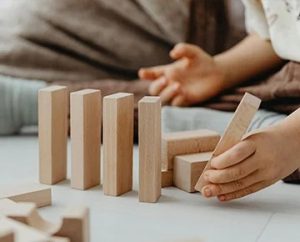
6. Celebrate Progress, Not Perfection
Children learn through trial, error, and repetition. Praise effort, not just results:
- “I love how hard you tried!”
- “You kept going even when it was tricky.”
This builds a growth mindset and nurtures confidence.
7. Be the Calm in Their Storm
Tantrums, fears, and frustrations are part of growing up. During emotional waves:
- Stay calm and speak gently
- Label the emotion (“You’re feeling upset because…”)
- Offer comfort and choices (“Would you like a hug or some quiet time?”)
Your steady presence teaches resilience and emotional regulation.
8. Keep Learning Fun—for Both of You
The most meaningful learning happens when it’s joyful. Dance in the kitchen. Build pillow forts. Make messy art. Explore new parks. Learn new words. Laugh often.
When you join their adventures, you show them that learning isn’t just important—it’s exciting.
Final Thoughts: Growing Together
Parenting isn’t about being perfect. It’s about showing up, staying curious, and learning alongside your child. Every day offers a chance to connect, explore, and celebrate the wonder of childhood. Little learners don’t just need teachers—they need companions on their journey.
So take a breath, hold their hand, and enjoy the adventure. You’re doing a beautiful job.